
What Items Can a Junk Removal Company Take?
If you are wondering what items a junk removal company can take, the answer usually includes furniture, appliances, electronics, household clutter, yard waste, office items, and many types of construction debris. Hazardous materials are a different matter. What a hauler can accept may also depend on the item’s condition, disposal rules, and available recycling or disposal options.
Table of Contents
ToggleThe easiest approach is to separate ordinary junk from anything that could be hazardous, contaminated, pressurized, or chemically reactive before scheduling a pickup. In this article, we’ll break down what junk removal companies commonly accept, what they may refuse, and how to prepare your items before pickup.
Furniture and Household Items
Most everyday household items are good candidates for junk removal. Larger pieces are especially common because they can be difficult to lift, transport, or fit into a personal vehicle.
Items junk removal companies take can include:
- Couches and chairs
- Dressers and tables
- Mattresses
- Shelving
- Household clutter
- Toys and playsets
- Sports and exercise equipment
- Tools
- Yard equipment
- Items cleared from garages, basements, attics, and sheds
Furniture and household removal can also be part of a larger property cleanout instead of a single pickup. That can help when moving, clearing a rental, handling a foreclosure, or sorting through accumulated belongings.

Appliances and Electronics
Appliances and many electronics can often be removed, but electronics may need a different disposal path than ordinary household junk. When deciding what junk removal companies accept, it helps to separate standard appliances and electronics from batteries, chemicals, and other restricted materials.
Common examples include:
- Household appliances
- Televisions
- Computers
- Electronic equipment
Before turning over a computer or similar device, erase personal information. The U.S. Environmental Protection Agency also recommends removing batteries when appropriate because some batteries require separate recycling or disposal. Lithium-ion batteries should not go into household garbage or recycling bins.
Acceptance can vary by item, so identify electronics when describing the pickup rather than assuming every device can go with ordinary junk.
Construction and Renovation Debris
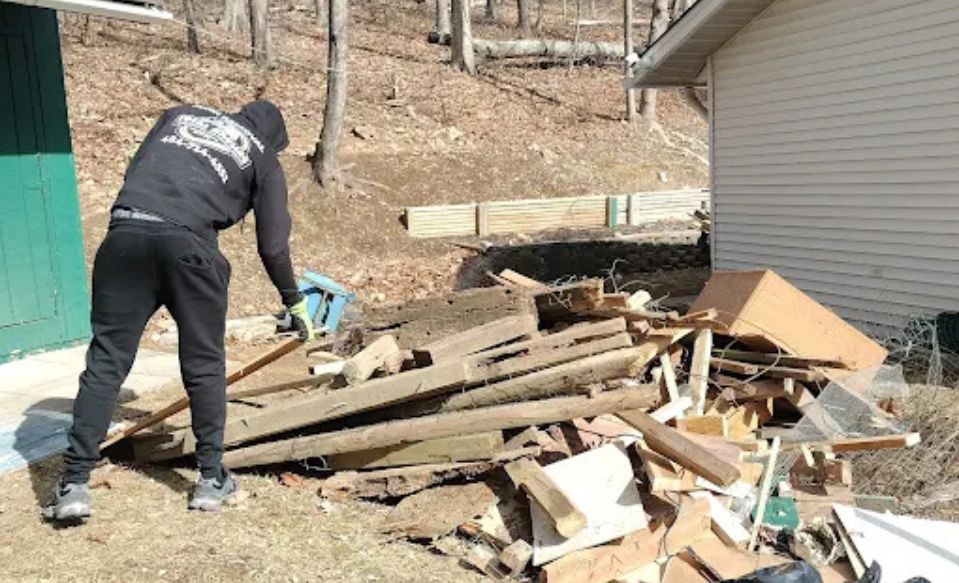
Many renovation and tear-out projects leave behind materials that a junk hauler can remove. Accepted materials may include drywall, brick, wood, flooring, cabinets, and debris created during approved light demolition work. The EPA classifies materials such as wood products, drywall, plaster, brick, steel, concrete, and asphalt as common types of construction and demolition debris.
A debris removal pickup can make sense after a cabinet tear-out, flooring removal, shed demolition, fence removal, or another project that leaves material too large or bulky for normal household disposal.
Tell the hauler what the debris contains before pickup. Construction material mixed with paint, chemicals, asbestos, or other hazardous substances may need special handling.
Yard Waste and Outdoor Items
Junk haulers may also remove material left over from yard cleanup and unwanted outdoor equipment.
Common items junk haulers remove can include:
- Yard waste
- Lawn and yard equipment
- Outdoor toys and playsets
- Certain fence, shed, or deck debris
- Household items stored outside
Outdoor material should be described clearly when requesting service. A pile of branches, an old lawn mower, and the remains of a demolished shed are very different loads, even when all three came from the same yard.
Separating loose yard material from bulky equipment can also make it easier to explain what needs to be hauled away.
Office and Commercial Junk
Businesses can use junk removal for far more than a few unwanted desks. Commercial pickups may cover furniture, shelving, equipment, pallets, retail fixtures, warehouse contents, and materials left after an office or retail cleanout.
Common commercial items include:
- Desks and chairs
- Cubicles
- Filing cabinets
- Shelving
- Display cases
- Retail fixtures
- Gym equipment
- Pallets
- Warehouse contents
- Restaurant or salon equipment
Larger projects may also involve office furniture removal when a business relocates, replaces workstations, clears storage areas, or empties a property. For mixed commercial loads, list the major item types before scheduling. Equipment, electronics, furniture, and ordinary waste may not all follow the same disposal path.
Items Junk Removal Companies Cannot Take
Hazardous and restricted materials are the main items that should never be assumed acceptable. Common exclusions include asbestos, biohazard waste, gasoline, paints and thinners, pesticides, propane tanks, used oil, medicines, tires, pool chemicals, and other hazardous products.
Many of those materials require special care because they can be toxic, corrosive, flammable, reactive, or otherwise unsafe to place with ordinary waste. EPA guidance identifies products such as paints, oils, batteries, pesticides, and some cleaners as household hazardous waste.
| Usually Accepted | Ask Before Pickup | Usually Not Accepted |
| Furniture | Electronics | Asbestos |
| Appliances | Mixed renovation debris | Biohazard waste |
| Household clutter | Unusual equipment | Gasoline |
| Yard waste | Large commercial items | Paints and thinners |
| Office furniture | Materials with unknown contents | Pesticides and propane tanks |
How to Prepare Items for Pickup
Good preparation starts with identifying what you have rather than dragging everything to one pile.
- Separate ordinary junk from questionable material. Keep chemicals, fuels, paint, batteries, and other potentially hazardous items apart.
- Group similar items. Put household goods, electronics, yard material, and renovation debris into clear categories when possible.
- Make a short item list. Include bulky pieces and anything unusual.
- Take photos when helpful. Photos can make the size and type of load easier to understand before an estimate.
- Mention access details. Stairs, basements, garages, rental access, and lockboxes can all affect how the pickup is arranged.
You don’t always need to move everything to the curb. Curbside placement can reduce the amount of handling involved, but in-property removal is also available.

Know What Can Go Before You Schedule
The best way to avoid surprises is to describe the items before pickup, especially when a load includes electronics, renovation debris, unusual equipment, chemicals, or anything whose disposal requirements are unclear. Total Hauling can review what you have and help determine which items fit its junk removal services in Allentown, PA.
Knowing what can be hauled away makes it easier to sort the property, separate restricted material, and plan the next step. If you are unsure about a particular item, reach out with a description or photo before scheduling.
Frequently Asked Questions
Can a junk removal company take everything in a house?
Can junk haulers take items from a basement or garage?
Should I take apart furniture before junk removal?
Not always. Many furniture pieces can be removed as they are. Large, awkward, or built-in items may require more discussion. If you are unsure whether something needs to be dismantled, describe the item when you contact us so you know what to expect before the pickup.
Can I mix construction debris with household junk?
What should I do if I do not know whether an item is hazardous?
If you’re not sure if an item is hazardous:
- Keep the item separate until you know what it contains.
- Check the product label for warnings or disposal instructions
- Do not mix unknown liquids or chemicals with ordinary junk.
You can also call and describe the item before scheduling so the pickup request reflects what you actually have.