Step-by-Step Estate Cleanout Checklist
A useful estate cleanout plan follows a clear order: document the home, collect important records, sort belongings, separate unsafe materials, remove large items, clean each room, and complete a final inspection. This order keeps sale, donation, recycling, and disposal items apart.
1. Photograph the Property
Take photos of every room, closet, cabinet, storage area, garage, basement, attic, and shed.
Create a room list:
- Kitchen
- Living room
- Bedrooms
- Bathrooms
- Closets
- Basement
- Attic
- Garage
- Yard
- Shed
Photos create a record of the home’s condition and help family members who cannot visit.
2. Find Documents and Records
Search desks, safes, drawers, bags, filing cabinets, books, and boxes before discarding paper.
Set aside:
- Wills and trust papers
- Property deeds
- Vehicle titles
- Tax returns
- Insurance policies
- Bank records
- Military records
- Birth and marriage certificates
- Loan documents
- Business papers
- Password lists
Shred private documents that no longer need to be kept. Do not place papers with account numbers, medical details, or Social Security numbers in open trash bags.
3. Create Sorting Groups
A clear sorting system is one of the most important parts of any house cleanout checklist.
|
Group
|
Examples
|
Next Step
|
|
Keep
|
Photos, documents, keepsakes
|
Pack and label
|
|
Give to family
|
Furniture, tools, dishes
|
Record who receives it
|
|
Sell
|
Collectibles, usable furniture
|
Appraise or list
|
|
Donate
|
Clothing, household goods
|
Confirm acceptance
|
|
Recycle
|
Metal, electronics, cardboard
|
Use an approved site
|
|
Dispose
|
Broken or unusable items
|
Follow local rules
|
|
Special handling
|
Fuel, chemicals, paint
|
Keep separate
|
Use labels or colored tape. Do not rely on memory once several people begin moving items.
4. Pack Personal Items First
Move photos, letters, jewelry, awards, artwork, and keepsakes to a secure area before removing furniture or junk.
Check inside:
- Coat pockets
- Shoes
- Handbags
- Books
- Dressers
- Toolboxes
- Mattresses
- Old containers
People sometimes store cash, keys, or papers in places that look unimportant.
5. Remove Food and Unsafe Materials
Empty refrigerators, freezers, pantries, and cabinets early. Spoiled food can create odors and attract pests.
Keep hazardous materials out of the main junk pile, including:
- Gasoline
- Propane tanks
- Pesticides
- Pool chemicals
- Paint thinner
- Medicines
- Used oil
- Car batteries
Keep chemicals in their original containers when possible. Do not mix them.
6. Remove Furniture and Appliances
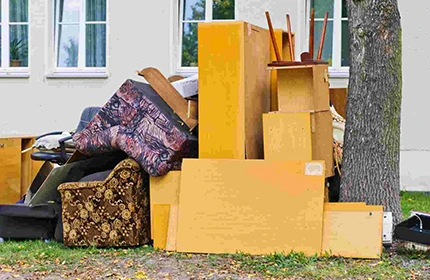
After small items are sorted, remove sofas, tables, beds, dressers, appliances, exercise equipment, and other bulky property. Measure doorways before moving large furniture. Clear walking paths and keep children and pets away from the work area.
Curbside bulk collection is limited in Allentown, PA. The city states that residents may place one approved bulk item or up to 40 pounds of construction material out on the second collection night of the week. Mattresses and box springs must be wrapped in plastic. The city handles metal and appliances through separate recycling options.
7. Clean One Room at a Time
Finish one room before starting another. This makes progress easier to track.
For each room:
- Empty drawers and closets.
- Remove nails and loose hardware.
- Sweep or vacuum.
- Wipe counters and cabinets.
- Check walls and floors for damage.
- Photograph the empty room.
- Mark the room complete.
Leave utility areas until near the end if the home still needs water, heat, or electricity.